PRP
Platelets are one of the three types of blood cell, known for their role in clotting and in healing after injury. They contain substances called growth factors that regulate the healing of bone, tendon, muscle, ligament and cartilage.
When we separate and concentrate the platelets and growth factors from blood, we create PRP — platelet-rich plasma — which contains them in very large quantities.
How does it work?
A PRP injection into a chronic tendinopathy delivers growth factors at many times the concentration that the circulation can supply to that spot. The growth factors start and speed up the repair: they attract cells, help them multiply and mature, and boost the production of collagen and other proteins. In the end the area regains a more normal structure.
Which tendon problems can it treat?
- Shoulder tendinopathy.
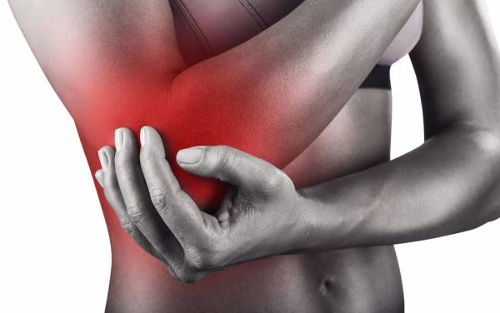
- Tennis elbow.
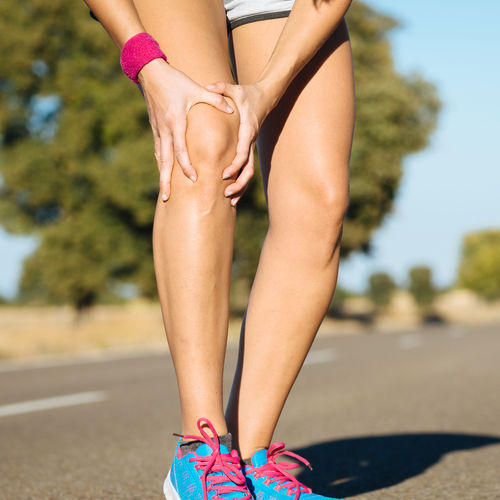
- Patellar tendinopathy.
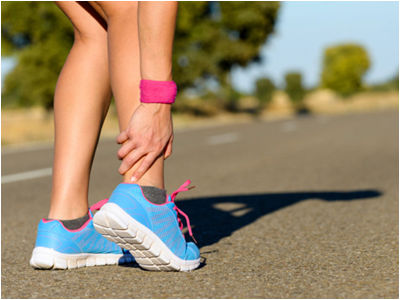
- Achilles tendinopathy.
How is it done?
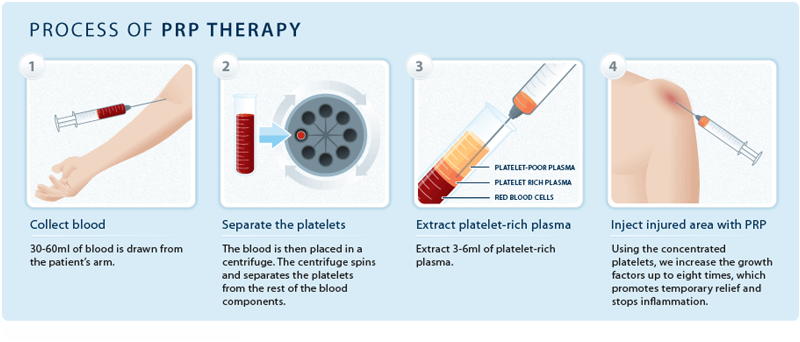
The patient’s own blood is used. The procedure is simple and has four steps:
- A small amount of blood is taken from the arm, as in a routine blood test.
- It is concentrated by centrifugation.
- The PRP is drawn off.
- Under local anaesthetic and with ultrasound guidance, it is injected into the area being treated (knee, shoulder, elbow, foot).
Is it complicated or painful?
It is simple and takes about 20 minutes. It is painless, as it is done under local anaesthetic. Afterwards, 1–2 days of relative rest and simple painkillers if needed are recommended; nothing else limits your daily life.
How many treatments are needed?
For tendinopathy, usually 2–3 injections, two weeks apart.
When should I expect improvement?
PRP is not a drug; it is concentrated cells and substances that occur naturally in our blood. It starts a repair process that eventually reduces pain, and it takes a few weeks for the improvement to show. Treatment is combined with physiotherapy and suitable exercises.
How successful is it?
We will recommend PRP when we judge it suitable for you. The best results are expected in patellar tendinopathy and tennis elbow. Dr Thanasas’s clinical study of PRP in tennis elbow was published in the American Journal of Sports Medicine (see the Reuters report).
Are there risks?
It is a very safe treatment. There are no side effects, because it contains no drugs, and no risk of transmitting disease, because it is the patient’s own blood. Sometimes there is local discomfort for a few days, managed with simple painkillers. The risk of infection is theoretical and below 0.5%, as strict antiseptic rules are followed. No worsening of the condition has been reported after PRP.
Stem cells
Stem cells are multipotent: they can multiply and turn into different types of cell, repairing damage to bone, muscle, tendon and joints. They are found in the developing embryo, in newborns’ cord blood and, in adults, in fat and bone marrow. Adult cells are called mesenchymal stem cells and can develop into tendon, bone or muscle cells.
How is the treatment done?
From fat tissue. It takes two visits. First, under local anaesthetic and through a minor procedure, a little fat is taken from under the skin and sent to the laboratory for culture. About two weeks later, once a large number of stem cells has grown, they are injected into the affected area.
From bone marrow. It takes a single hospital visit of about 30–40 minutes. Under local anaesthetic, marrow is drawn with a needle (usually from the back of the pelvis), processed and concentrated straight away, and the stem cells are injected into the affected area (knee, shoulder, etc.). You go home immediately; 1–2 days of relative rest are advised (no immobilisation, just avoid tiring yourself). You feel no pain during treatment.
Improvement is gradual over the following weeks.
This information is for general guidance and does not replace a medical consultation. The right treatment is always decided individually, after clinical assessment.