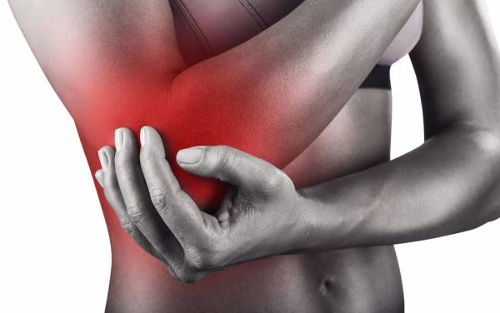
Tennis elbow is damage to the tendons that arise from the lower end of the humerus, at the lateral epicondyle. These tendons suffer repeated "micro-injuries" that cause pain. The condition often becomes chronic; without treatment it can take many months, or more than a year, to settle.
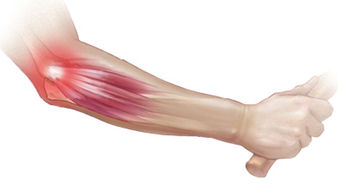
Causes
The most common cause is work or sport that demands constant use of the wrist and elbow. These tendons start at the elbow, lift the wrist and turn it outwards. When overloaded, they develop small structural changes, which lead to pain and difficulty using the hand.
Treatment
- For a while, reduce the duration, intensity and frequency of sport until you feel better. Talk to your employer about temporarily reducing or adjusting the demands of your job.
- Pain-relieving medication, as agreed with your doctor.
- Physiotherapy: devices that reduce pain (e.g. TENS), massage of the area and a specific exercise programme. Some patients benefit from shock wave therapy.
Local injections
Cortisone. It can give quick relief, especially for severe or recent pain (a few weeks), or when the patient wants a "quick" solution. One or two injections are a safe treatment and do not harm the tendons; repeated use, however, is probably pointless and harmful.
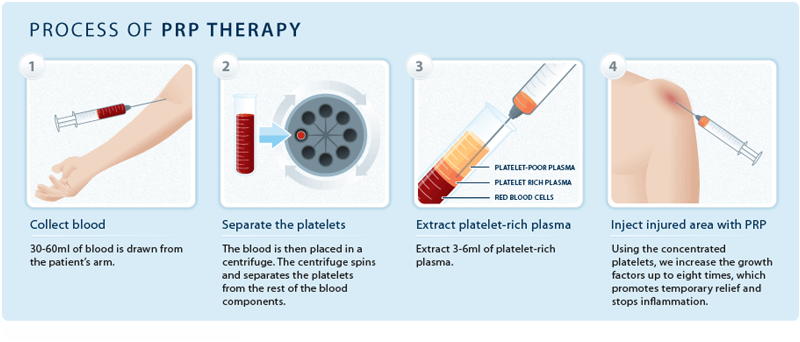
PRP. PRP therapy works differently from cortisone and suits chronic (more than six weeks), persistent and recurring tennis elbow. Its growth factors heal the damage to the tendons, so the result takes longer to appear but seems to last longer. Two injections a few weeks apart are often needed, and a simple exercise programme is an essential part of treatment.
Ask your doctor which treatment is right for you.
Surgery
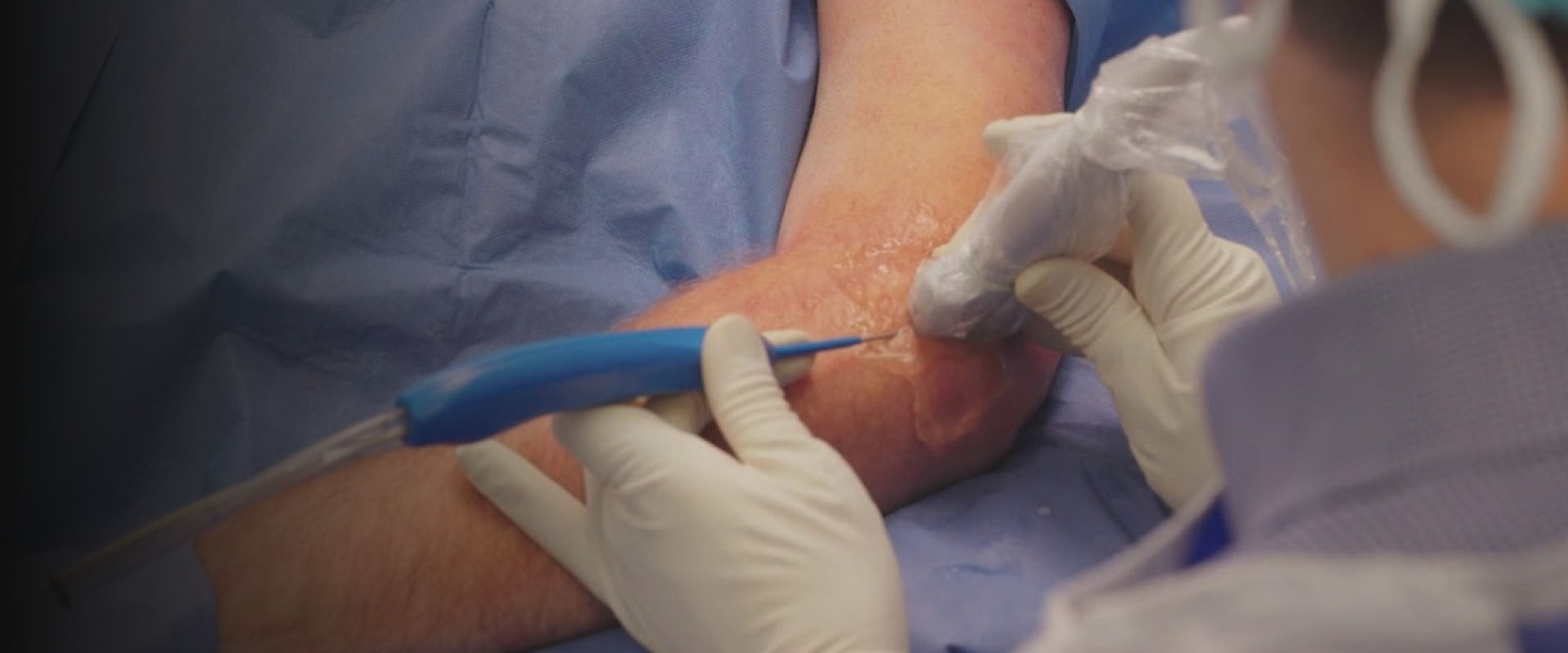
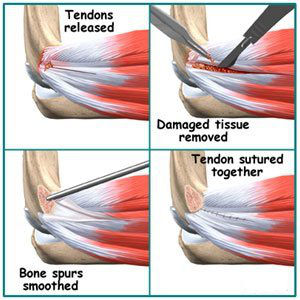
Surgery is needed only for troublesome pain once every conservative method has failed. It is a relatively simple operation, usually under local anaesthetic: the damaged part of the tendon is removed or "refreshed". A rehabilitation programme follows; return to full sport takes 4–6 months and success rates reach 80–90%. Today the same result can be achieved without an open incision, with Sonosurgery.
Prevention and avoiding recurrence
In sport
- Check your technique: avoid hitting from the wrist alone and use your whole arm and trunk when you strike the ball. Review your technique with your coach.
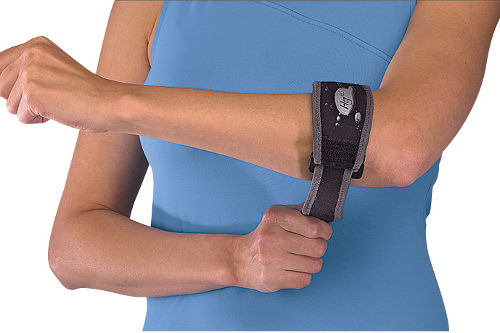
- Wear an elbow brace when you play, and ask to be shown how to fit it.
- Consider a racket with a larger grip, perhaps slightly lighter, with somewhat softer strings.
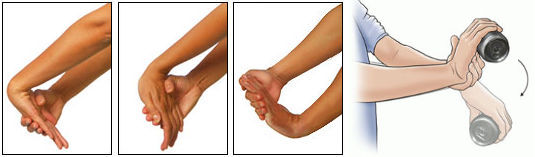
- Don’t skip the warm-up before, or the elbow and wrist stretches after, exercise.
- Follow an exercise programme, with your doctor and physiotherapist, that builds flexibility and strength in the affected tendons and muscles. It is the most important step towards returning — and staying — at the activity you want.
At work
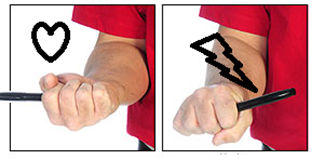
- Lift with your palm facing up.
- Wear an elbow brace.
- A wrist splint that limits wrist movement while you work greatly reduces symptoms.
The goal of treatment is a quick and complete return to sport and work.
This information is for general guidance and does not replace a medical consultation. The right treatment is always decided individually, after clinical assessment.