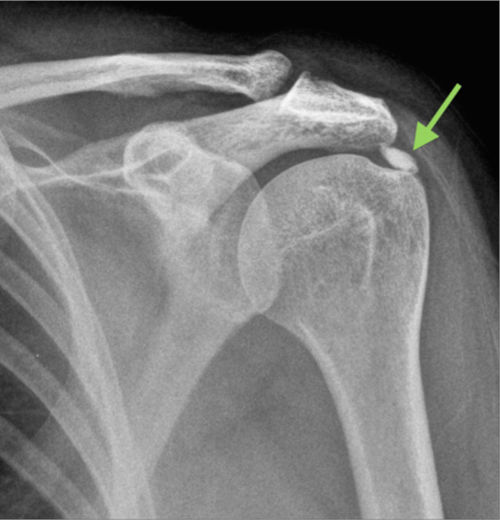
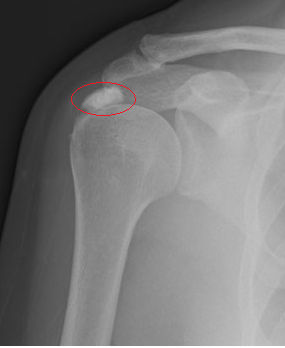
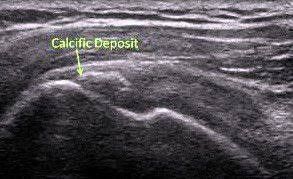
Calcific tendinitis of the shoulder is a build-up of calcium inside the tendons. It causes more trouble than ordinary tendinitis and the pain is sometimes extremely severe. Some patients have a history of shoulder problems; in others the pain appears suddenly.
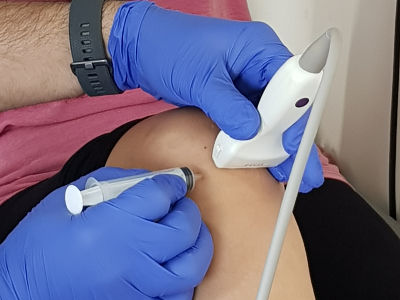
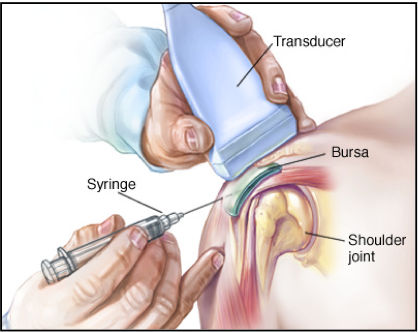
Removing the deposit with barbotage is effective and simple, and needs neither general anaesthetic nor a hospital stay. It is the best treatment option for persistent calcific tendinitis of the shoulder.
Frequently asked questions
Do I need an anaesthetic?
Not a general one. A local anaesthetic is used only at the site of the problem.
Do I need to be admitted to hospital?
No. The treatment is carried out in the clinic.
How long does it take?
Usually less than 20 minutes. You are observed briefly and then go home. For the rest of the day and for one or two days afterwards it is best to rest the shoulder and avoid driving.
Does it work?
It is proven to be the best non-surgical treatment for calcific tendinitis, compared with other injections or shock wave therapy. It is effective in more than 80% of cases and the great majority of patients feel a significant reduction in pain. We will recommend it when your case is suitable.
Are there complications?
Risks and complications are rare. For a day or two the discomfort may get worse before it improves for good, so you will be given suitable pain relief.
This information is for general guidance and does not replace a medical consultation. The right treatment is always decided individually, after clinical assessment.